Insider tips for garden care on High Street North Manor Park
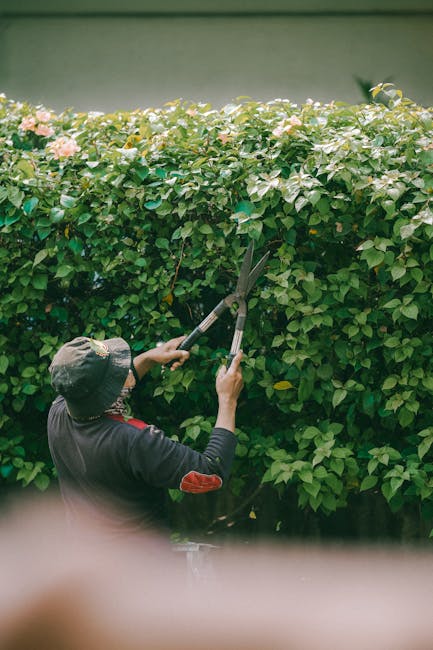
If you look after a garden on High Street North, Manor Park, you already know it is rarely just "a bit of mowing and watering". London weather shifts fast, front gardens pick up dust and litter, back gardens can feel boxed in by fences and neighbouring trees, and one missed weekend can turn tidy borders into a small jungle. That is exactly why insider tips for garden care on High Street North Manor Park matter: they help you stay ahead of the usual problems rather than constantly reacting to them.
In this guide, you will find practical local advice that works for real homes, real schedules, and real budgets. We will cover the routines that save time, the mistakes that quietly wreck plant health, and the simple choices that make a garden look cared for without turning it into a second job. To be fair, that is the sweet spot most people want.
Whether you manage a compact front plot, a family back garden, or shared outdoor space, the aim is the same: healthier growth, cleaner edges, less stress, and a garden that feels usable through most of the year.
Why Insider tips for garden care on High Street North Manor Park Matters
Gardens in Manor Park face a mix of urban pressures that are easy to underestimate. There is the usual British weather, of course, but there is also shade from nearby buildings, wind tunnels along the street, compact soil, and the kind of dust that settles on leaves and paving after a dry spell. A garden that looks fine from the window can still be quietly struggling underneath.
That is why localised garden care is different from generic advice. A plant that thrives in a spacious rural setting may sulk in a narrow city plot. A mowing routine that works in spring can become too aggressive in a dry spell. And if hedges or shrubs are left too long between trims, you end up with extra work rather than less. It is the classic "I will deal with it later" trap. Later usually arrives with more branches.
Insider garden care is really about timing, observation, and consistency. You do not need to do everything every week. You do need to notice the signs early: soil drying too quickly, lawns turning patchy, hedges losing shape, or beds becoming overcrowded. Catching those shifts early is what keeps maintenance manageable.
For many households, local care also matters because outdoor space is limited. If you only have a small garden, every square metre needs to earn its keep. That means planning for growth, not just pruning after the fact. If you want a broader view of how services are typically grouped, the services overview is a useful starting point for understanding where each task fits.
How Insider tips for garden care on High Street North Manor Park Works
Good garden care is not one big annual overhaul. It is a series of small, well-timed actions. Think of it as a rhythm: inspect, tidy, feed, cut, and reset. That rhythm changes through the seasons, but the principle stays the same.
Start by breaking the garden into zones. Front boundary. Lawn. Beds and borders. Hedges. Trees. Paved areas and decking if you have them. Each zone has different needs, and mixing them together is where people get overwhelmed. A hedge does not care that the lawn needs cutting, and the lawn does not care that the border is full of self-seeding weeds. Annoying, but true.
The best systems usually follow this pattern:
- Check the garden once a week for visible changes.
- Remove debris before it becomes a job.
- Trim light growth regularly rather than waiting for a heavy cut.
- Water deeply when needed, not constantly in small amounts.
- Feed and mulch at the right time for the plant type.
- Schedule bigger clearance or reshaping work before it gets out of hand.
If you prefer a maintenance-led approach rather than occasional rescue work, a routine service can help keep everything moving. The page on garden maintenance explains the kind of ongoing support that often makes the biggest difference in a busy local garden.
In practical terms, "how it works" also means knowing when not to interfere. For example, a lawn can be stressed by over-cutting in hot weather. Fresh planting can be damaged by overwatering. Shrubs can lose their shape if you prune too hard at the wrong time. The trick is restraint, which sounds boring until you see the results. Then it starts to make sense.
Key Benefits and Practical Advantages
When garden care is done well, the benefits show up in ways people feel every day, not just on paper. The garden becomes easier to use, easier to clean, and much more pleasant to look at. There is a quiet confidence that comes from knowing things are under control.
- Better visual curb appeal: A clean boundary, neat lawn, and trimmed shrubs make a property look cared for without needing a full redesign.
- Healthier plants: Regular attention helps reduce disease pressure, pest build-up, and stress from overcrowding.
- Less weekend catch-up: Small, routine tasks take less time than one huge reset after weeks of neglect.
- Safer outdoor spaces: Keeping paths clear, branches tidy, and surfaces free from slippery buildup reduces avoidable hazards.
- More usable space: A well-kept garden feels bigger, because the eye can actually read the space properly.
There is also a practical money angle. Letting things drift often means paying for more intensive work later. A little preventive effort tends to go further than occasional drastic fixes. You can see the same principle in hedge shaping, lawn care, and clearance work: regular upkeep usually reduces the scale of future jobs.
For homeowners comparing service levels or deciding what to outsource, it can help to look at pricing and quotes before the garden gets to the point where everything feels urgent. A calm decision is almost always a better one.
Who This Is For and When It Makes Sense
These tips are for anyone who wants a tidy, healthy garden without turning every spare hour into gardening time. That includes busy households, landlords, older residents who would rather not tackle heavy work, and anyone living in a compact London outdoor space where maintenance piles up quickly.
It also makes sense if your garden has one or more of these traits:
- fast-growing hedges or shrubs that need regular control
- patchy lawn areas that react badly to poor mowing habits
- borders that fill with weeds after a few wet weeks
- overgrown corners, shaded patches, or awkward access
- trees that create regular leaf fall or low branch clutter
- decking or paved sections that need seasonal cleaning
Sometimes the need is obvious. A hedge starts spilling into the path. Sometimes it is subtler. The back lawn becomes thinner every month because it is always cut too short. Or the border starts looking messy because nobody noticed how much dead growth had built up after winter. It sneaks up on you. Gardens are good at that.
If your space needs a bigger reset rather than light upkeep, it may be worth exploring garden clearance before moving back into a maintenance rhythm. That is often the turning point between feeling overwhelmed and feeling back in charge.
Step-by-Step Guidance
Here is a straightforward way to approach garden care on High Street North Manor Park without overcomplicating it. This is the sort of process that works best in real life, where time is short and weather is unpredictable.
1. Walk the garden before you do anything
Take two minutes and look properly. Not just the obvious bits. Check under shrubs, along fence lines, beside sheds, around gates, and near drain covers. These are the places where mess collects first. You will often spot dead twigs, fallen leaves, early weeds, or a hedge that has started leaning into the walkway.
2. Remove the simple clutter first
Before you trim or mow, clear what would get in the way: branches, leaves, old pots, plastic ties, and broken plant supports. It sounds basic, but doing this first makes the rest faster and much safer. No point mowing over debris and then wondering why the lawn looks rough afterwards.
3. Tackle the lawn with the right height in mind
Do not scalp the grass. That is a fast way to weaken the lawn, especially during dry or hot stretches. In general, it is better to take a little off more often than to remove too much at once. If the grass is long, ease it down gradually over a few cuts.
For a tidy, consistent finish, lawn mowing done to the right height helps the whole garden look intentional rather than rushed.
4. Shape hedges and shrubs before they become overgrown
Light, regular trimming keeps hedges dense and manageable. Leave them too long, and you get a tougher job with more waste. You also risk cutting into older wood where regrowth is slower. That is one of those little gardening truths people only learn after the fact.
If your boundary plants are getting leggy or losing their shape, hedge trimming is often the simplest way to bring the space back into balance.
5. Feed the soil, not just the plant
Healthy soil holds moisture better and supports stronger roots. Mulch, compost, or a suitable organic feed can make a visible difference over time. Keep it simple and suit the plant type. A bed that drains quickly will need different care from one that stays damp under shade.
6. Deal with bigger jobs early
If a tree is overhanging, a shrub is collapsing under its own weight, or a section of the garden has become difficult to access, do not wait until it becomes a safety issue. Bigger tasks are easier when handled before they spiral.
For trees that are obstructing light, crowding a small garden, or shedding too much material, tree lopping and removal may be the more sensible route than repeatedly trimming around a growing problem.
7. Reset the hard surfaces last
Once the green work is done, clean paths, patios, and decking so the garden looks finished. This final step is easy to skip, but it makes a huge difference. Wet leaves, algae, and soil splash can make an otherwise tidy garden feel neglected.
If you have timber or composite outdoor areas, decking services can support a safer, cleaner finish when the surface itself needs more than a quick sweep.
Expert Tips for Better Results
Here are the kind of small, practical habits that make a real difference over a season or two. Nothing flashy. Just good habits, kept up.
- Trim little and often: This keeps hedges neat and avoids harsh, uneven cuts.
- Work with the weather: Avoid heavy mowing or pruning in extreme heat, waterlogging, or very windy spells when plants are stressed.
- Use the mulch ring carefully: Leave a small gap around stems and trunks so you do not trap moisture against them.
- Don't chase perfection every week: A garden is living material, not a showroom. Aim for healthy and tidy, not unnaturally rigid.
- Watch the shady areas: Moss, slimy paving, and weak growth often show up first where light is limited.
- Keep tools sharp: Blunt blades tear grass and stems, which is just asking for trouble.
One thing experienced gardeners learn quite early: the garden tells you what it needs if you actually look at it. Sounds almost too simple, but there it is. Yellowing leaves, leaning stems, noisy dry soil underfoot, bare patches, and messy edging all point to specific issues. The job is to notice before the problem gets a personality of its own.
Where gardens need more design thinking, not just maintenance, it can help to review landscape gardening ideas that balance structure, planting, and practical use. That is especially useful if you want the space to feel more open, softer, or easier to manage.
Common Mistakes to Avoid
Most garden problems do not begin as disasters. They begin as small habits that seemed harmless at the time. A little too much cutting. A bit of water here and there. Delaying one job because it is raining. You know how it goes.
- Cutting too much at once: This can shock lawns, shrubs, and hedges. Slow and steady is safer.
- Ignoring drainage issues: Soggy soil can kill roots and make the whole garden harder to work in.
- Leaving clippings and debris on surfaces: That material traps moisture and invites staining or slip risks.
- Using the wrong tool for the job: It often creates more damage than it saves time.
- Forgetting seasonal timing: Some tasks are best done before growth surges, not after the garden has already run away from you.
- Only doing cosmetic tidying: A neat top layer hides deeper issues in soil, roots, or overcrowded planting.
Another frequent mistake is treating a tired garden as if it needs more force. Sometimes it needs less. Less cutting, less watering, less interference. Sometimes it needs a reset, yes, but the reset should be thoughtful. Harsh fixes can create new problems very quickly.
If your outside space has accumulated too much waste, cuttings, or old material to handle efficiently in one go, a structured garden clearance approach is usually safer and cleaner than trying to improvise.
Tools, Resources and Recommendations
You do not need a shed full of specialist equipment to keep a local garden in good shape. Honestly, a modest set of well-kept tools beats a complicated pile of gadgets that you never quite trust.
| Task | Useful tools | What to look for |
|---|---|---|
| General tidy-up | Gloves, rake, secateurs, refuse bags | Comfort, sharp edges, and easy handling |
| Lawn care | Mower, edging tool, rake | Clean cut, adjustable height, reliable blade |
| Hedge shaping | Hedge trimmer, hand shears, step platform | Control, balance, and safe reach |
| Tree and tall growth | Pole tools, saws, protective kit | Safety first; avoid unstable overreach |
| Surface cleaning | Brush, scraper, pressure-safe cleaning method | Surface suitability and slip reduction |
Beyond tools, the most useful resource is a maintenance plan that matches your garden's actual pace of growth. A fast-growing hedge in a sheltered spot needs more attention than a slow shrub in a dry corner. A lawn in partial shade will behave differently from one in full sun. The garden is telling a story; you just need to read it.
If you are trying to compare what kind of support you might need, the services overview and garden maintenance pages can help you think through whether you need a one-off tidy-up, recurring care, or a more comprehensive intervention.
Law, Compliance, Standards and Best Practice
For ordinary home garden care, the main point is not paperwork. It is safe, responsible work. Still, there are a few best-practice areas worth keeping in mind, especially in a built-up part of London where gardens sit close to neighbours, boundaries, and shared access routes.
First, think about safety. Any work involving ladders, heavy cutting, power tools, or awkward branches should be handled carefully. If the job feels unstable, too high, or physically demanding, it is better to stop than to improvise. That is not being cautious for the sake of it. It is just common sense.
Second, consider waste handling and recycling. Garden waste should be separated sensibly, and materials like soil, branches, grass cuttings, and general rubbish should not all be treated the same way. Good disposal habits support a tidier property and a cleaner neighbourhood. The page on recycling and sustainability reflects that practical side of responsible garden work.
Third, when working near boundaries, be respectful of neighbours. Overhanging branches, leaf fall, and hedge encroachment can create disputes if they are left unchecked. A calm, well-timed conversation goes a long way. So does keeping things neat before they become awkward.
Service providers should also be clear about safety, insurance, and working practices. If you are hiring help, it is sensible to check whether they explain how they manage risk and protect property while they work. The pages on insurance and safety and health and safety policy show the kind of standards a careful business should be willing to discuss.
There is no need to overcomplicate the legal side for a normal household garden, but there is every reason to treat the space responsibly. Safe, tidy, neighbour-friendly work is the standard worth aiming for.
Options, Methods and Comparison Table
Not every garden needs the same solution. Some spaces do best with light, regular maintenance. Others need an initial reset before they can be maintained properly. And sometimes the right answer is a mix of both. Here is a simple way to compare the main approaches.
| Approach | Best for | Pros | Watch-outs |
|---|---|---|---|
| DIY weekly upkeep | Small, manageable gardens | Low cost, immediate control, flexible timing | Easy to drift or miss seasonal timing |
| One-off tidy-up | Overgrown or neglected spaces | Fast visual improvement, good reset point | Does not prevent re-growth without follow-up |
| Recurring maintenance | Busy households, rental properties, consistent presentation | Predictable, tidy year-round, less stress | Requires planning and regular schedule |
| Full redesign or landscaping | Poor layout, unusable spaces, long-term improvement | Solves deeper layout problems, more functional space | More involved and may need more time to complete |
If your garden feels awkward rather than simply messy, landscaping can help rework levels, flow, and layout so maintenance becomes easier later. That is the kind of choice people often wish they had made sooner.
Case Study or Real-World Example
A typical example from a Manor Park-style home goes like this: a small back garden has a patchy lawn, a hedge that has crept into the path, a few borders full of tired growth, and one corner where leaves gather every week. Nothing dramatic. Just enough to feel annoying every time you step outside.
The first pass is not glamorous. Clear the loose debris. Reduce the hedge to a manageable line. Lift out dead growth. Mow the grass at a safer height. Clean the path so it stops looking grey and damp. Then add a simple routine: weekly check, fortnightly trim in active growth periods, seasonal edging, and a bigger tidy before autumn leaf fall becomes a nuisance.
What changes after that is not only the look. The space becomes easier to use. The path feels wider. The lawn recovers because it is no longer being hacked down. The border starts to breathe. And the whole garden stops asking for a full Saturday every time someone wants it to look decent.
That is usually the moment people realise the job was never "too big". It just needed breaking down properly.
Practical Checklist
Use this checklist when you want a quick, sensible garden care reset on High Street North Manor Park:
- Check for overgrown areas, dead material, and blocked access points
- Clear leaves, twigs, and loose clutter before trimming or mowing
- Confirm the lawn is cut to a healthy height, not too short
- Trim hedges lightly and regularly instead of waiting for heavy growth
- Inspect trees and large shrubs for low branches or crowding
- Clean paths, paving, and decking after the green work is done
- Review shaded, damp, or neglected corners for moss and poor drainage
- Separate reusable plant material from general waste
- Decide whether the garden needs maintenance, clearance, or a layout rethink
- Set a simple schedule so the garden does not drift again
If you are unsure what level of work your garden needs, a sensible next step is often to compare a light maintenance visit with more structured help. That is where a service discussion can save time, because the right scope matters more than rushing into a big job.
Conclusion
Good garden care on High Street North Manor Park is less about perfection and more about timing, consistency, and knowing what to leave alone. A tidy lawn, well-shaped hedges, healthy soil, and clear surfaces all add up to a garden that feels calmer and easier to live with. Small habits really do carry the whole thing.
The most useful insight? Do not wait for the garden to shout at you. Listen while it is still whispering. That is how you keep control, avoid unnecessary costs, and protect the space you already have.
If the garden is already starting to feel like too much, take it one step at a time. Even a modest reset can change how the whole place feels.
Get a free quote today and see how much you can save.
Frequently Asked Questions
How often should I maintain a garden on High Street North Manor Park?
For most homes, a light weekly check and a more active maintenance pass every one to two weeks during peak growing periods works well. In quieter seasons, the rhythm can slow down. The key is not letting small tasks stack up.
What is the biggest mistake people make with local garden care?
Cutting too much at once is probably the most common one. It can stress lawns, shrubs, and hedges, and it usually creates more repair work later. Regular, lighter attention tends to work much better.
Do I need garden clearance or regular maintenance?
If the space is heavily overgrown, cluttered, or difficult to access, clearance is usually the better first step. If the garden is already in reasonable shape, ongoing maintenance is often enough to keep it there.
What should I prioritise first in a small garden?
Start with access and structure: clear the clutter, define the edges, and bring the hedge or lawn back under control. Small gardens look better quickly when the boundaries are neat and the surface is tidy.
Is it worth getting help for hedge trimming?
Yes, especially if the hedge is tall, uneven, or growing close to paths or boundaries. Regular trimming keeps the shape manageable and avoids the harder job of fixing overgrowth later.
How do I know if a tree is becoming a problem?
Look for low branches, heavy shade, repeated leaf fall in awkward places, or growth that is crowding other plants. If it is affecting light, safety, or access, it deserves attention sooner rather than later.
Can landscaping actually reduce maintenance?
It can. Better layout, smarter planting, and more practical surfaces often make day-to-day upkeep easier. Sometimes a few structural changes save far more time than constant patching.
What is the best time of year for a major tidy-up?
That depends on the garden, but many people choose a spring reset or an autumn clear-down. Spring sets you up for growth; autumn helps you stay ahead of debris and winter mess. Both can be useful, honestly.
How do I keep a lawn healthy in a city garden?
Avoid mowing too short, do not overwater, and keep an eye on compacted or shaded areas. If the lawn is thin, it may need aeration, feeding, or a more sensible cutting routine rather than simply another trim.
Are decking and paved areas part of garden care too?
They should be. These surfaces affect how clean, safe, and finished the whole garden feels. Dirt, algae, and leaf buildup can make even a neat garden look tired, so regular cleaning is worth it.
What if I do not have much time for maintenance?
Then simplify the routine. Focus on the high-impact areas first: lawn, hedges, borders, and surfaces. A short, consistent routine beats a big effort once in a while. That is just the truth of it.
How do I choose between DIY and professional help?
If the work is light, repetitive, and safe to do yourself, DIY can be enough. If the garden is overgrown, awkward, risky, or simply too time-consuming, professional help may be the more practical choice. The best option is the one you can actually keep up with.
For a final bit of reassurance: you do not need a perfect garden to have a good one. You just need a plan that fits your space, your schedule, and the way real life works on a busy London street. And that, in the end, is what makes the garden feel like yours.